Not sure if a Fayetteville home is on septic or municipal sewer? That single detail shapes your budget, maintenance routine, and future repair decisions. If you are comparing homes across the city and unincorporated county, it can be hard to tell what you are signing up for. This guide breaks down costs, upkeep, lifespans, and due diligence so you can buy with confidence. Let’s dive in.
Where septic and sewer are common
Inside city limits, many older and denser neighborhoods are typically connected to municipal sewer. In unincorporated Fayette County, and in newer subdivisions on larger lots, on‑site septic is more common. Location and lot size often determine the service type, so always verify early in due diligence.
For clarity before you write an offer, contact Fayette County Environmental Health for septic permit history and design records, and City of Fayetteville Utilities or Public Works to confirm sewer boundaries, tap or impact fees, and who maintains the service lateral.
Cost comparison at a glance
Choosing between septic and sewer involves both upfront and ongoing costs. Here is how they typically compare for single‑family homes.
Septic system costs
- New installation for a conventional system often runs about $7,000 to $20,000. Complex sites or alternative systems can total $20,000 to $50,000+.
- Replacing a tank or drainfield can range from $5,000 to $30,000+, depending on scope.
- Pumping typically costs $250 to $600 per visit. Frequency depends on household size and tank capacity.
- Routine professional inspections are usually $100 to $300. Budget more for dye tests or full evaluations.
- A realistic annual maintenance average is $300 to $1,000+ when you spread pumping and minor repairs over several years.
What drives septic costs higher? Challenging soils, high groundwater, a long drainfield run, proximity to streams or wetlands, or the need for engineered or alternative systems.
Municipal sewer costs
- Connection or tap fees vary by city. Typical small city tap fees commonly fall in the $500 to $5,000 range, but local charges can be higher. Confirm current figures with City of Fayetteville Utilities.
- Monthly sewer bills vary by water use and local rates. Many Georgia cities fall in the $30 to $150 per month range. Verify current rates with City of Fayetteville Utilities.
- Private lateral repairs can cost a few thousand dollars to over $10,000 depending on length, depth, and pavement or landscaping impacts.
- Lateral responsibility policies differ by municipality. Some cities maintain the public main but not the private lateral. Confirm who pays for what before you close.
Key takeaways on cost
- Short term: If a sewer main is close and tap fees are modest, connecting to sewer can cost less than a new septic installation.
- Long term: Septic owners avoid monthly sewer bills but must plan for pumping, inspections, and eventual drainfield replacement. Sewer customers pay a monthly bill, but typically avoid major drainfield expenses.
- Hidden costs: Always confirm lateral ownership, permit history, and any required upgrades to meet current county or state rules.
Lifespans and routine upkeep
Both options can serve a home for decades with proper care. The differences show up in how you maintain each system and what can shorten its life.
Septic system lifespan and care
- A concrete septic tank often lasts 30 to 50+ years with proper maintenance.
- A well cared for drainfield may last 15 to 30+ years. Premature failure can result from soil compaction, driving or parking on the field, tree roots, or chronic solids reaching the field.
- Pump every 3 to 5 years for a typical 1,000 to 1,500 gallon tank, adjusting for household size and water use.
- Clean effluent filters and check tank covers during pump visits or annually if accessible.
- Order a full system evaluation at time of sale or if you suspect issues.
Do’s for septic care:
- Conserve water and fix leaks quickly.
- Keep fats, grease, non‑biodegradable items, chemicals, and paints out of the system.
- Keep vehicles and structures off the drainfield. Manage tree roots around the field.
- Maintain a folder with permits, design drawings, pumping receipts, and repair records.
Don’ts:
- Do not rely on additives as a replacement for pumping.
- Do not plant deep‑rooted trees near the drainfield.
Sewer system expectations and care
- Public sewer mains can last for many decades. Private sewer laterals have variable lifespans, often 20 to 50 years depending on material and installation quality.
- Homeowners are commonly responsible for the private lateral from the home to the main. Policies vary, so confirm with City of Fayetteville Utilities.
- Watch for slow drains or frequent backups. These can indicate a lateral blockage or deterioration that may require repair.
Buyer due diligence checklist
Use this step‑by‑step list to avoid surprises and protect your budget.
Pre‑offer and early due diligence
- Ask the seller for septic records, including permits, system design, tank size, last pump date, and repair history.
- Check with City of Fayetteville Utilities to confirm whether the property can connect to sewer, current tap fees, and monthly rates.
- Call Fayette County Environmental Health to request septic permit and design records if the home uses on‑site sewage.
- Ask your lender if a septic inspection is required for your loan type.
When to order a septic inspection
- If the property is on septic, always hire a certified on‑site sewage inspector for a full evaluation before finalizing your purchase.
- In Georgia, preference should go to professionals familiar with the Georgia Department of Public Health On‑Site Sewage Management rules who can deliver a written system evaluation report.
What a septic inspection should include
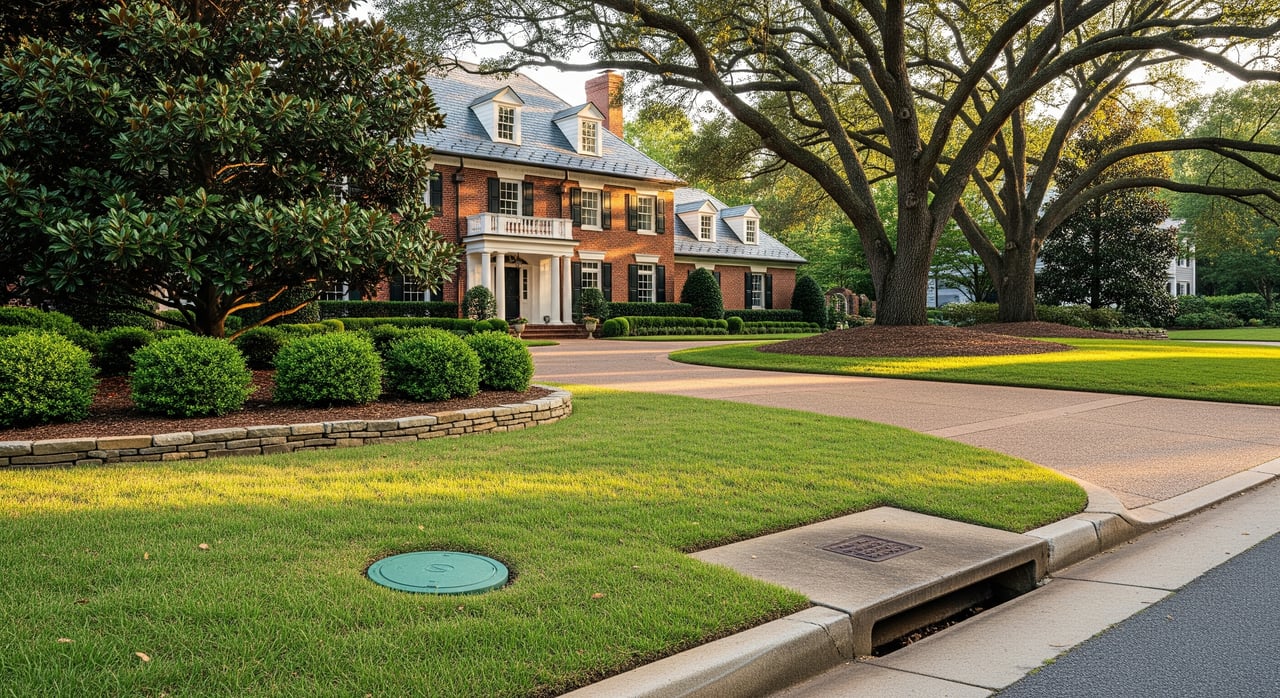
- Locate and access tank lids. Measure and check for structural cracks.
- Pumping observations and evaluation of scum and solids as needed.
- Effluent filter inspection and cleanout review.
- Leak and dye testing when appropriate to confirm proper flow to the drainfield.
- Drainfield probing to check for saturation, odors, surfacing effluent, or unusual vegetation. Evaluate slope, surface conditions, and proximity to wells or streams.
- Review of permits and as‑built drawings if available.
Red flags that warrant escalation
- Slow drains, frequent backups, or sewage odors inside or outside the home.
- Lush, bright green patches over the drainfield that persist through dry weather.
- Soggy ground or standing water near the tank or field.
- No access to tank lids or no pumping or maintenance records.
- Seller refusal to allow inspection or provide records.
- Evidence of patch repairs without permits or missing documentation for engineered systems.
- Listings that say “sewer available” without a verified connection or with unclear lateral responsibilities.
Make your offer contingent on a passing septic evaluation if the home has on‑site sewage, and obtain repair estimates for any issues. For homes with sewer nearby but not connected, get written confirmation of costs and responsibilities before you close.
Who to call and what to verify locally
- Fayette County Environmental Health: Request septic permit history, design details, and any documented repairs. Ask what type of system was approved and where the tank and drainfield are located.
- City of Fayetteville Utilities or Public Works: Confirm whether the property is inside the sewer service area, current tap or impact fees, monthly rate structure, and who owns and maintains the private sewer lateral.
- Georgia Department of Public Health: Confirm state rules for septic design and inspections and verify that your chosen inspector or contractor meets current certification requirements.
Document every conversation and keep copies of emails and estimates. A clear paper trail helps with negotiations and future resale.
Which option fits your plans
Both options can work well if you understand costs and care. Consider these scenarios as you decide:
- You want predictable monthly costs and minimal on‑site maintenance. Sewer may fit if a main is available and tap fees are manageable.
- You prefer to avoid a monthly sewer bill and can budget for periodic pumping and eventual drainfield work. A well maintained septic system can be a solid choice.
- You are evaluating an older home on septic with limited records. Plan for a comprehensive inspection and budget realistically for near‑term pumping and possible repairs.
- You are eyeing a property near the city boundary with “sewer available.” Verify connection feasibility, tap and impact fees, and lateral responsibility before you rely on that line item.
If you want help confirming records, scoping true costs, or negotiating repairs, connect with Evan Beckett for technical, inspection‑grade guidance paired with full‑service representation.
FAQs
How can I tell if a Fayetteville home is on septic or sewer?
- Start by asking the seller for records, then contact City of Fayetteville Utilities and Fayette County Environmental Health to confirm service type, boundaries, and any septic permits.
What does a Georgia septic inspection include for a home purchase?
- A proper evaluation covers tank access and structure, pumping observations, effluent filter and cleanouts, leak or dye tests if needed, drainfield probing, and a review of permits and drawings.
How often should I pump a septic tank in Fayette County?
- Most households should plan to pump every 3 to 5 years, adjusting for tank size, household size, water use, and whether a garbage disposal is used.
What are typical replacement costs if a drainfield fails?
- Replacing major components can range from about $5,000 to $30,000+ depending on the system design, soils, access, and the scope of work.
If a listing says “sewer available,” what should I verify before closing?
- Confirm that a connection is actually feasible, get current tap or impact fees and monthly rates from the city, and clarify who owns and pays for the private lateral and any required extensions.