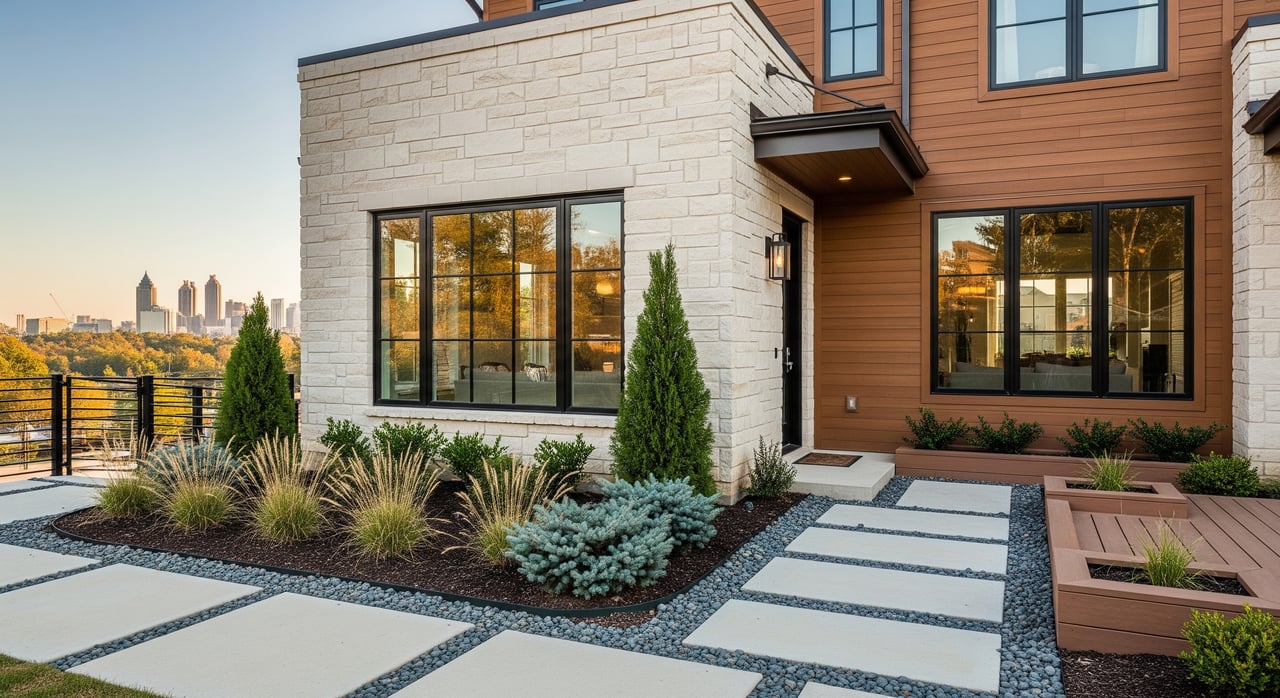
Do you love the idea of a home that looks great without spending every Saturday on yard work or surprise repairs? If you are relocating to Metro Atlanta or trading up within the suburbs, low‑maintenance living can free your time and steady your budget. In this guide, you will learn what “low‑maintenance” really means, where to find it around Atlanta, and how to evaluate listings and HOAs so you avoid hidden costs. Let’s dive in.
What low‑maintenance really means
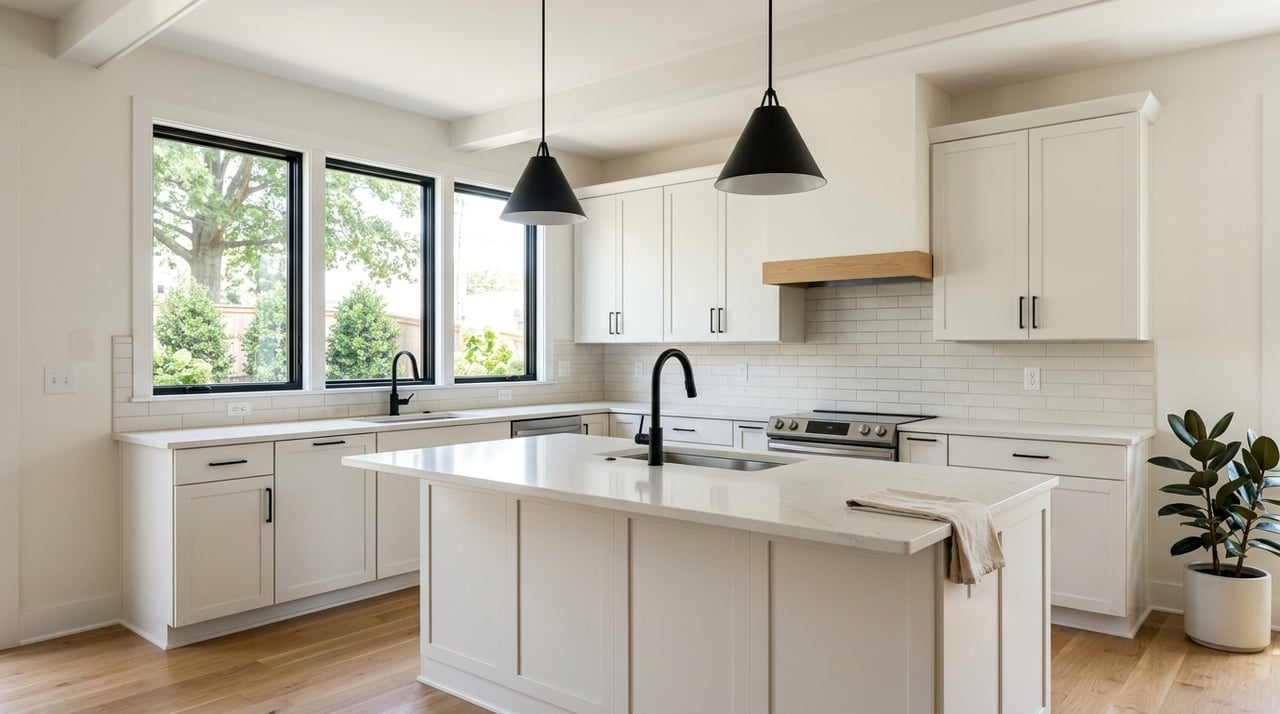
Low‑maintenance living is about reducing the routine exterior and mechanical work you handle yourself, and shifting predictable costs into HOA coverage or builder warranties. You will often find it in condos, townhomes, and single‑family homes where the HOA maintains exteriors and landscaping.
Key features to look for:
- Ownership type: condo or townhome associations usually cover more exterior items than single‑family HOAs. Coverage varies, so confirm specifics in writing.
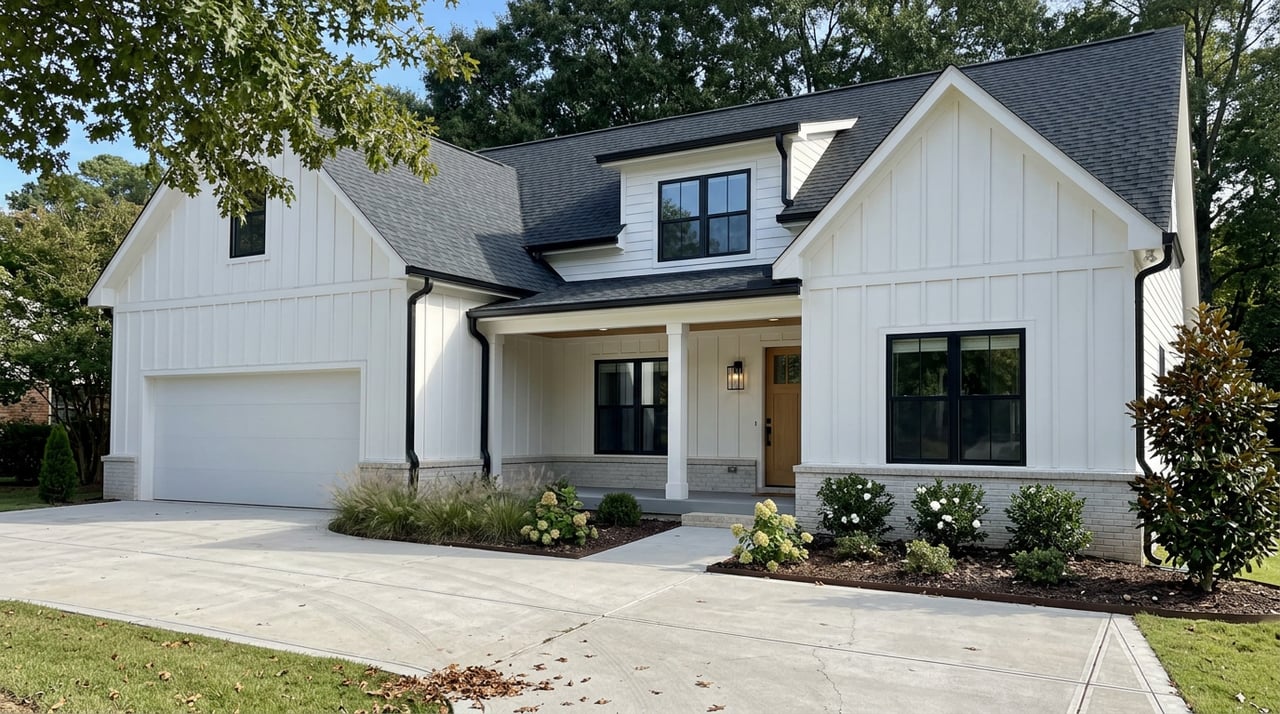
- Newer construction: homes built in the last 10–15 years often have modern systems and warranty protections that cut near‑term repair risk.
- Small yard or included landscaping: less grass to mow and beds to maintain means more time back to you.
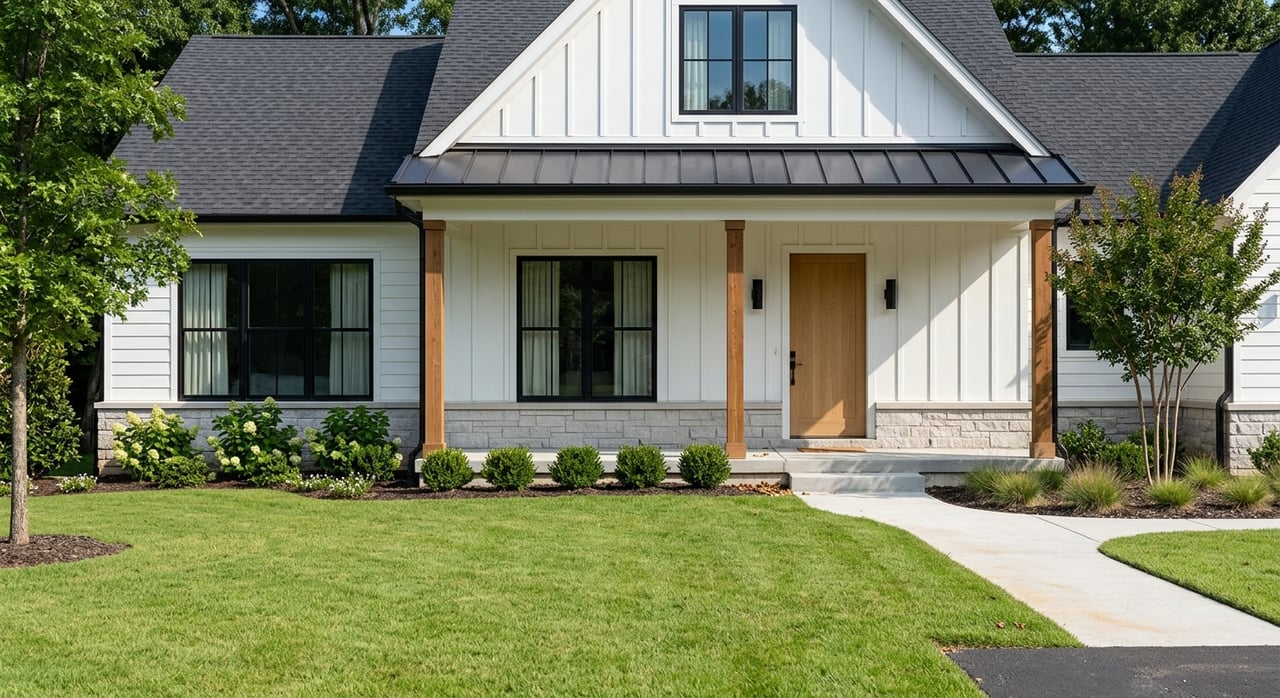
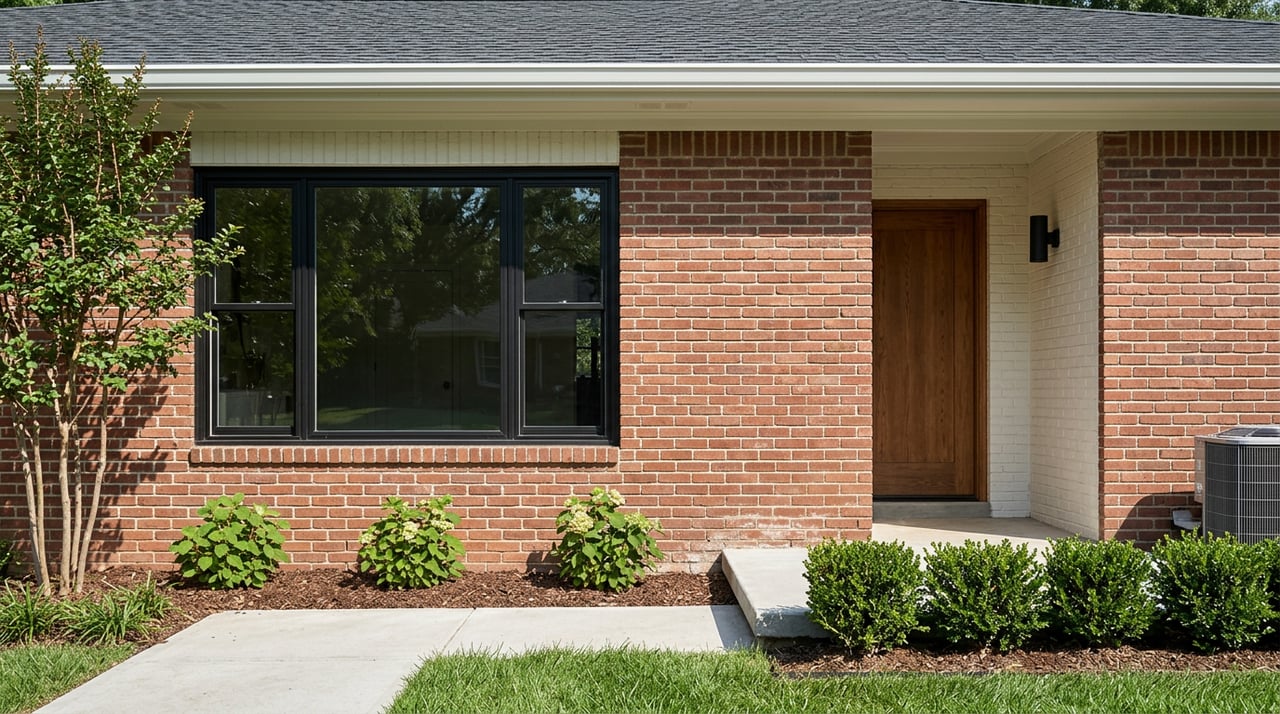
- Durable exterior materials: brick, fiber‑cement siding, metal roofing, and composite decking typically require less upkeep.
- Association services: many HOAs handle exterior painting, roof and gutter maintenance, lawn care, trash, and common‑area upkeep.
Condo, townhome, or single‑family in an HOA can feel very different. Condos often include the broadest exterior coverage. Townhome and single‑family associations vary widely, so you will want the CC&Rs and budget to see exactly what is covered.
Builder warranties can lower short‑term risk on new homes. Typical structures include one year for workmanship and longer coverage for structural elements. You should still order a full inspection even on brand‑new construction.
Where to find it in Metro Atlanta
Metro Atlanta’s low‑maintenance options cluster in close‑in north suburbs with strong condo and townhome inventory, and in newer master‑planned communities with active HOAs. The U.S. Census American Community Survey and Atlanta Regional Commission show newer construction trending in north Fulton and nearby corridors, with targeted redevelopment closer to I‑285.
Alpharetta
You will find abundant townhomes, condos, and newer subdivisions with professional management. Mixed‑use areas near Avalon commonly include HOA maintenance and “lock‑and‑leave” convenience. Look for listings that highlight exterior services and recent construction years.
Johns Creek
Newer housing stock and amenity‑rich neighborhoods are common. Many HOAs oversee landscaping and exterior painting, and some include roof and gutter maintenance. Focus on gated or managed communities with smaller yards and clear maintenance inclusions.
Sandy Springs, Dunwoody, and Brookhaven
These close‑in suburbs carry a higher share of condos and luxury townhomes that appeal if you want a short commute and minimal exterior chores. Search for condominium associations, townhome communities near mixed‑use centers, and listings that advertise exterior maintenance.
Milton
Milton skews newer and high‑end. Some neighborhoods offer bundled lawn and exterior services, while large‑lot properties require more upkeep. Confirm HOA coverage at the subdivision level so you pick a “low‑maintenance pocket.”
Sandy Springs and Vinings corridor
Near I‑285 you will see condo and townhome complexes marketed as convenient “lock‑and‑leave.” These communities often include exterior maintenance and managed common areas, with quick access to Buckhead job centers.
Marietta, East Cobb, and Kennesaw
You will find a mix of established single‑family areas and newer subdivisions. Many townhome communities and several single‑family HOAs include lawn service and exterior items. Target post‑2000 neighborhoods and townhome developments for the most maintenance‑friendly options.
Suwanee, Duluth, and Sugar Hill
Rapid growth since 2000 brought a wave of HOA‑managed communities. Townhomes and condos near downtown cores and Sugarloaf‑area projects often include exterior services. New construction here frequently emphasizes low‑maintenance living.
Peachtree City
South of I‑285, Peachtree City’s planned‑community model and active associations create a strong low‑maintenance landscape. Many neighborhoods bundle landscaping and extensive common‑area care into the HOA.
How to evaluate a listing and HOA
Use this step‑by‑step checklist to confirm a home is truly low‑maintenance, not just marketed that way.
Listing checks
- Property type: condo or townhome vs. single‑family in an HOA. Condos usually cover the most exterior items.
- HOA fee and frequency: monthly or quarterly. Note what is explicitly included.
- Keywords: maintenance included, lawn service, exterior maintenance, lock‑and‑leave, recent roof replacement.
- Age and updates: year built plus timing of roof, HVAC, windows, water heater, and appliances.
- Yard and landscaping: small private yard or shared spaces reduce your workload.
- Exterior materials: brick, fiber‑cement, vinyl, composite decking. Look for claims like low‑maintenance exterior.
- Parking surfaces: garages and driveways still need periodic sealing or repairs; note condition and age.
HOA documents to request
- CC&Rs: the rulebook that defines maintenance responsibilities.
- Budget and recent financials: confirm income, expenses, and operating health.
- Reserve study: shows planned capital projects and whether reserves are adequate.
- Recent board minutes: reveals assessments, deferred maintenance, or disputes.
- Insurance summary: what the master policy covers vs. what you must insure.
- Management contract: vendor schedules for landscaping, exterior work, and trash.
- Assessment history: any special assessments in the last 5 years and any planned.
Targeted questions to ask
- What exactly does the HOA fee include: roof, siding, painting, gutters, lawn, irrigation, trash, exterior pest control?
- Have there been special assessments in the last 5 years? Are any expected?
- How well funded are the reserves relative to recommendations?
- When were roofs, exterior paint, and major site work last completed?
- Who manages parking, exterior lighting, and trash removal?
- Are there rental or occupancy restrictions that matter to you?
Inspection and due diligence
- Order a full home inspection. For new homes, complete a builder‑warranty inspection and punch list.
- Consider roof, drainage, irrigation, exterior cladding, and pest/termite inspections.
- For condos, confirm coverage gaps and plan for an HO‑6 policy to protect interior finishes and personal property.
Estimating your ongoing costs
- Annualize the HOA fee and compare it with what you would spend on lawn care, exterior painting, and major system replacements for a similar stand‑alone home.
- Ask the manager for vendor schedules and fee history so you understand potential increases.
Trade‑offs to weigh
- Time vs. money: you trade time savings for HOA fees. For many buyers, the predictable budget and reduced chores are worth it.
- Control vs. convenience: rules limit changes to exteriors and landscaping, but you gain consistent standards and curb appeal.
- Assessment risk: thin reserves can lead to special assessments. A solid reserve study and transparent financials lower the risk.
- Resale dynamics: condos and townhomes can appreciate differently than detached homes. Neighborhood reputation and association health matter.
Practical recommendations
- Filter by property type and scan listing remarks for maintenance keywords and recent system updates.
- Prioritize areas with larger shares of post‑2000 construction if you want minimal near‑term repairs.
- Make HOA document review a contract contingency and read the reserve study closely.
- If you travel often, favor full exterior maintenance and professional management with a clear point of contact.
- If you are downsizing, consider small‑yard single‑family HOAs or stacked townhomes with minimal exterior obligations.
- Work with an agent who is experienced with HOAs and can read budgets, reserves, and maintenance scopes with a technical eye.
How we help you choose wisely
You deserve more than a glossy brochure. You deserve a guide who can translate construction details and HOA documents into clear costs, timelines, and risk. With two decades of hands‑on systems experience, we help you compare homes apples‑to‑apples, estimate true monthly costs, and avoid unpleasant surprises after closing.
Ready to find a home that fits your life, not your to‑do list? Reach out to Evan Beckett to narrow the search, review HOA documents, and negotiate with confidence.
FAQs
What does “low‑maintenance” housing mean in Metro Atlanta?
- It typically refers to condos, townhomes, or HOA‑managed single‑family homes where the association covers exterior maintenance, landscaping, and common areas, often paired with newer construction and durable materials.
Which Atlanta suburbs often have the most low‑maintenance options?
- You will commonly find strong options in Alpharetta, Johns Creek, Sandy Springs, Dunwoody, Brookhaven, Milton, Vinings, Marietta/East Cobb/Kennesaw, and Suwanee/Duluth/Sugar Hill, with Peachtree City also offering planned low‑maintenance communities.
How do I confirm what an HOA fee actually covers?
- Request the CC&Rs, budget, insurance summary, reserve study, and recent board minutes, then verify line by line which items are included and whether reserves are adequate to avoid surprise assessments.
Do newer homes remove the need for inspections and repairs?
- Newer homes reduce short‑term risk and often include builder warranties, but you should still order a full inspection and a warranty walk‑through to catch defects early.
What is the biggest HOA red flag for low‑maintenance buyers?
- A thin reserve fund combined with recent or pending special assessments and unclear management communication is a major warning sign to investigate before you commit.