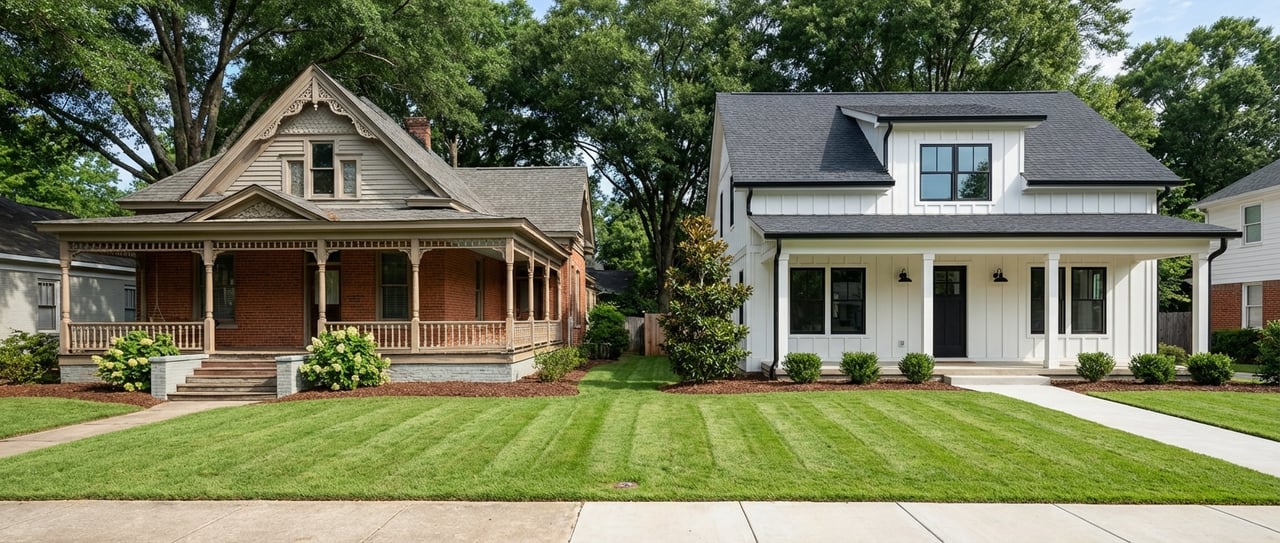
Torn between a front-porch Victorian near downtown Newnan and a shiny new build in a planned community? You’re not alone. Each path offers real benefits, different costs, and a distinct day-to-day lifestyle. In this guide, you’ll learn how historic and new homes in Newnan compare on construction, maintenance, inspections, rules, and resale so you can move forward with confidence. Let’s dive in.
Big picture: lifestyle and resale
If you love sidewalks, mature trees, and architectural detail, Newnan’s historic districts near downtown deliver that classic Southern feel. These neighborhoods are protected locally, which helps preserve character and streetscapes over time. You can explore local districts and what they cover on the city’s page for Newnan Historic Districts.
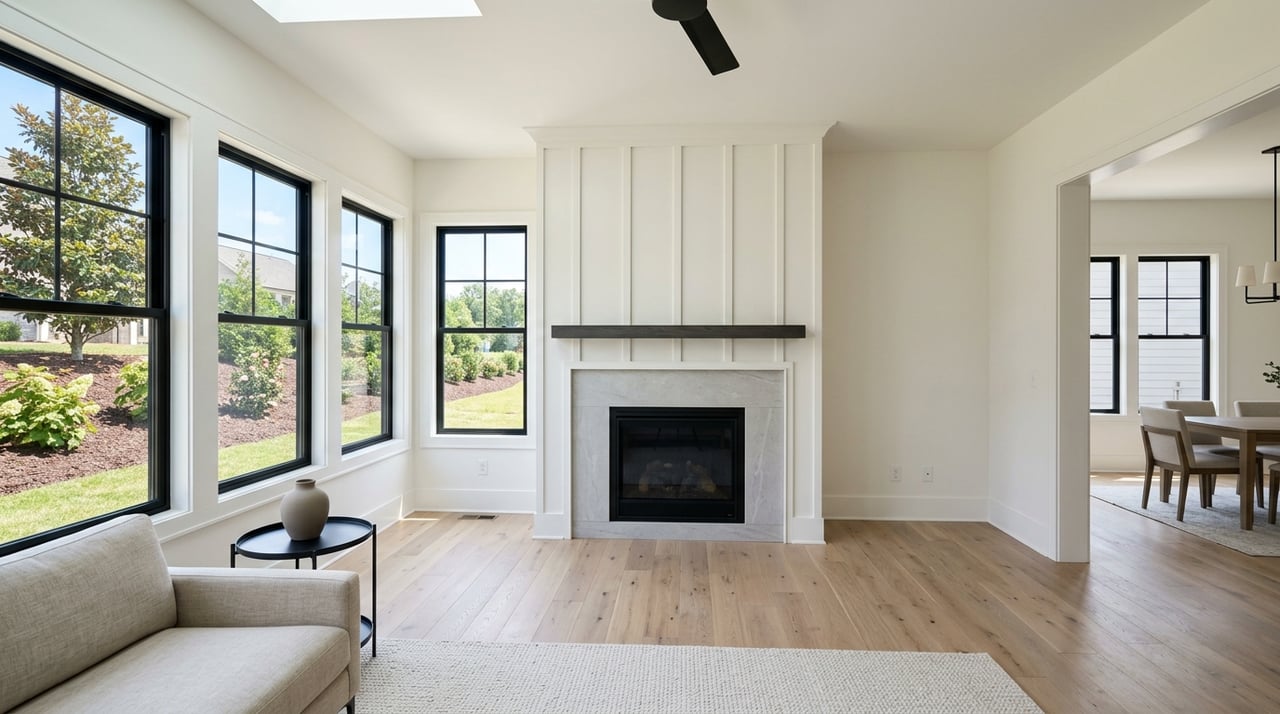
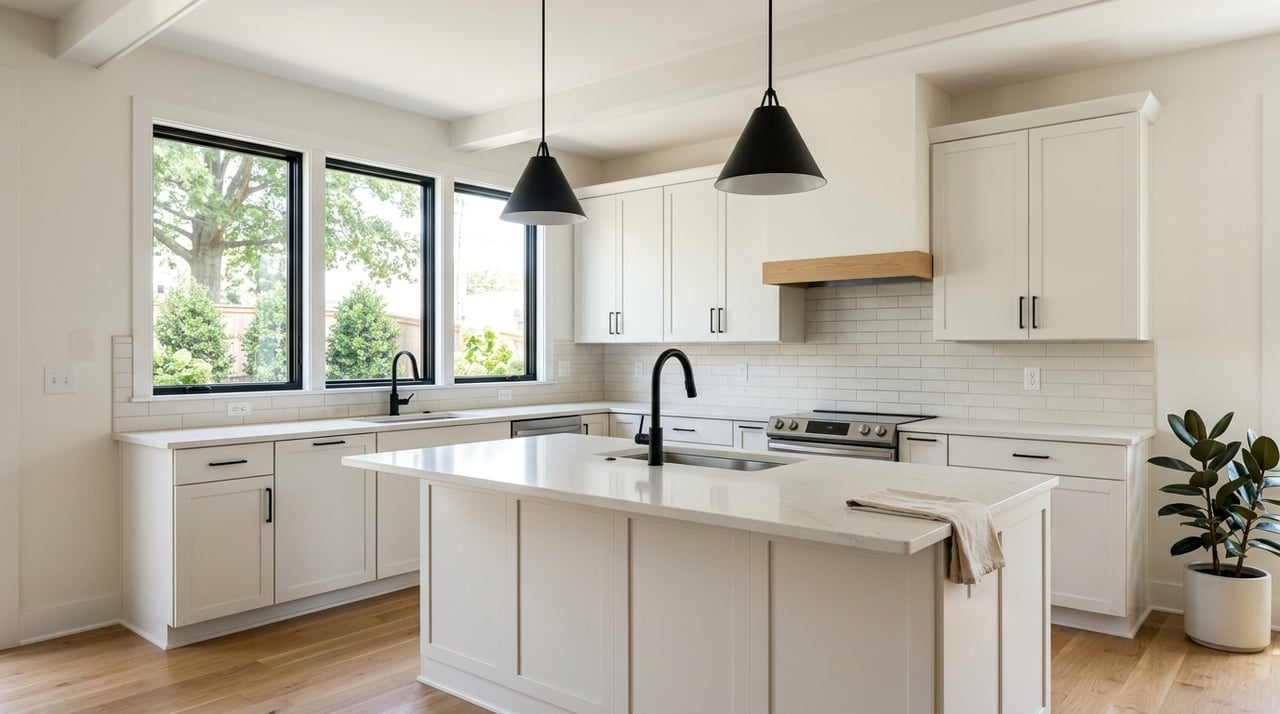
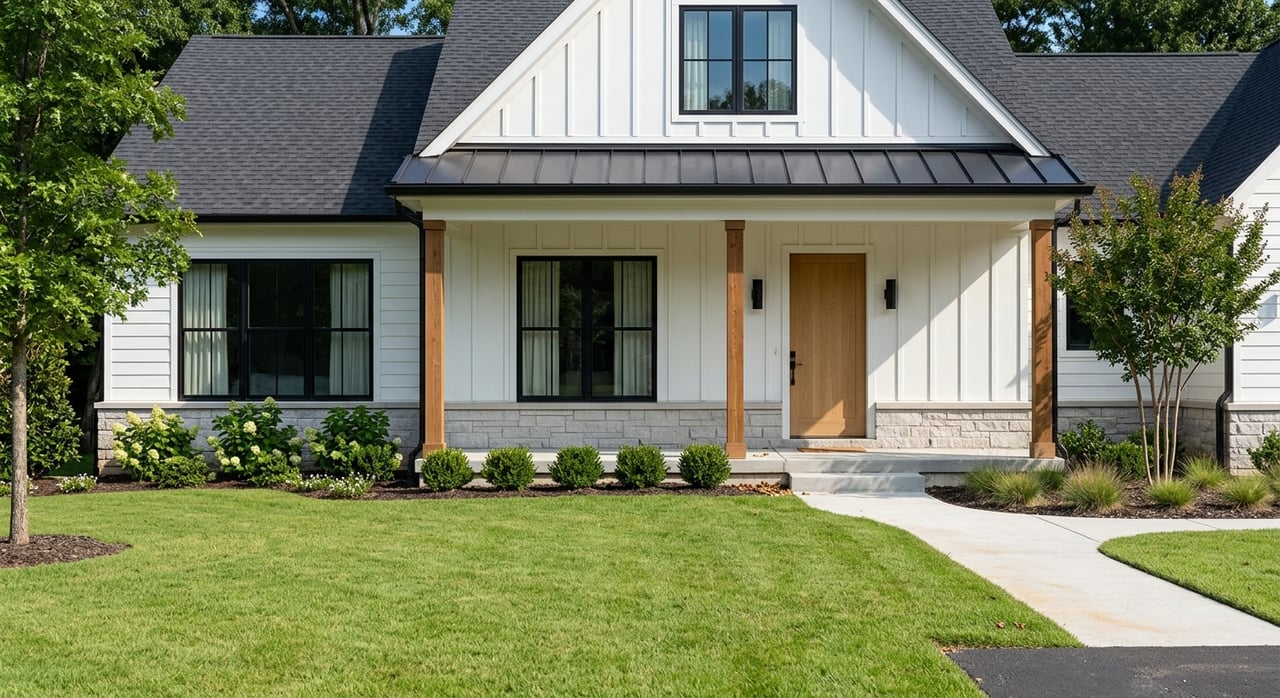
Prefer low maintenance, energy efficiency, and open floor plans? Newer subdivisions around Newnan often check those boxes, sometimes with HOA amenities and builder warranties. Market reports place typical home values in the mid 300s, with time to offer varying by price point and property condition. Exact numbers change each month, so plan on verifying the latest with your agent.
How these homes are built
Historic homes: craft and original materials
Many of Newnan’s antebellum and Victorian-era homes were built with earlier framing methods. You may encounter post-and-beam structures in the oldest stock and balloon framing in late 19th-century houses, where wall studs run uninterrupted from foundation to roof. That older approach affects fire-stopping and how upgrades are routed. For a quick primer, see how balloon framing is defined.
Historic exteriors often feature wood clapboard siding, brick or pier-and-beam foundations, and original windows and trim. Interiors may have heart-pine floors and plaster over lath. These materials are part of the appeal and value. They also call for specialized repair methods to avoid damaging the fabric of the house. The National Park Service offers practical guidance in its Preservation Briefs series, which many preservation contractors follow.
Mechanical systems in older homes are frequently a mix of eras. You might see retrofitted ductwork, window units, older heat sources, or partial electrical and plumbing updates. Legacy wiring types and galvanized supply lines are common in certain age ranges. Expect a careful inspection and budget planning here.
New construction: modern systems and codes
New builds around Newnan typically use platform framing with engineered lumber, structural sheathing, modern flashing and drainage details, and code-compliant fire-stops. Foundations are usually poured concrete or slab-on-grade. These homes generally start with higher thermal performance and planned, accessible system layouts.
You’ll often get modern HVAC, updated electrical service, PEX or copper plumbing, and newer roofing from day one. Many builders include workmanship and structural warranties. Always review the builder’s written warranty for terms and coverage.
Local risks: storms, soils, and termites
On March 26, 2021, an EF-4 tornado struck parts of Newnan, causing heavy damage in and around historic neighborhoods. This event is a reminder to verify roof, window, and structural repair history during due diligence. You can read the National Weather Service’s damage survey of the 2021 Newnan tornado.
Coweta County sits in the Georgia Piedmont, where clay-rich soils can shrink and swell. Improper drainage and grading can contribute to foundation movement in both old and new homes. If you see evidence of movement or you’re on a tricky lot, a structural or geotechnical opinion can be smart. Historical soil references for Coweta support the need for drainage attention; see the county soil survey background via the Georgia Digital Library.
Georgia is also firmly in the “termite belt.” Subterranean termites are common and require routine prevention. Plan on a wood-destroying insect inspection in every purchase and maintain an annual service afterward. The University of Georgia Extension outlines homeowner basics in its guide to termite control services in Georgia.
Costs you can plan for
Think in two buckets: system lifespans and replacement projects. Your due diligence should estimate where each major component sits on its timeline.
Typical system lifespans (industry ranges)
- HVAC: Central AC and heat pumps often last 10 to 20 years with good maintenance.
- Roofs: Asphalt shingles commonly last 15 to 30 years. Architectural shingles trend longer than 3-tab.
- Plumbing: Galvanized steel supply lines often merit replacement as they age. Copper, PEX, and cast-iron drains vary by condition and installation quality.
- Electrical: Older homes may have knob-and-tube, aluminum branch circuits from the 1960s–1970s, or legacy panels that many inspectors flag for replacement. Panel and service upgrades to 100–200 amps are common in older stock.
Typical replacement cost bands
- Roof replacement: A standard asphalt-shingle reroof often runs roughly $7,500 to $14,000 on a typical home. Complex rooflines or premium materials cost more. See what drives pricing in this roof replacement cost overview.
- HVAC replacement: A full central AC changeout commonly ranges around $3,900 to $7,900 and can rise for heat pumps or when ductwork needs repair. Learn more about cost factors in this HVAC replacement guide.
- Electrical upgrades: Panel swaps and 200-amp service upgrades often land in the low thousands, with full rewires much higher depending on house size and access.
- Plumbing repipes: Costs vary widely by material and wall access. Older galvanized or compromised drains can drive a full or partial repipe.
- Foundation and drainage: Minor grading and localized underpinning can be a few thousand, while significant stabilization may exceed $10,000 to $30,000 in severe cases. Soil conditions and engineering drive scope.
Project bundles to expect
- Cosmetic refresh: Paint, floor refinishing, and light kitchen or bath updates often total $5,000 to $40,000 depending on scope.
- Mechanical cluster: Roof plus HVAC plus panel upgrade can fall in the $15,000 to $50,000 range on a typical single-family home.
- Full historic rehab: When you restore architectural fabric plus structure and systems, budgets can run from tens of thousands into the six figures depending on size and standards.
Rules in historic districts
If you plan visible exterior changes in a local historic district, you will likely need a Certificate of Appropriateness before work begins. This commonly covers elements like porches, windows, siding, roofing style, and additions visible from the street. The goal is to protect the district’s character. Start by reviewing the city’s information on Newnan Historic Districts, then plan lead time for design review.
Inside the home, normal maintenance and many interior projects are generally more flexible, though permits still apply when you touch structure, electrical, plumbing, or HVAC. Ask your agent to help verify prior permits, especially for post-storm repairs.
Inspection checklist for Newnan buyers
Order these during due diligence, whether you choose new or historic:
- Full general home inspection with attic and crawl access
- Wood-destroying insect inspection, given Georgia’s high termite pressure
- Electrical evaluation of panel and branch wiring if the home is older
- Roof inspection and age estimate, including decking and layers
- HVAC inspection with model/serial check and service records
- Plumbing review of visible supply and drain lines; camera scope for older homes or tree-heavy lots
- Structural or geotechnical opinion when you see cracks, settlement, or poor drainage
Decision framework: which fit is better for you?
- Favor newer construction if you want low near-term maintenance, energy efficiency, and predictable systems. HOA communities can add amenities and design consistency, along with monthly fees and architectural controls.
- Favor a historic home if you value walkable downtown living, original detail, and mature landscapes, and you can budget for periodic maintenance and selective system upgrades.
- In both cases, verify permits, warranties, and contractor invoices for big-ticket work. Roof, structural, electrical, plumbing, and HVAC documentation reduce surprises and support negotiations.
Final take: value, lifestyle, and risk
There’s no wrong choice between a character-rich historic home and a move-in-ready new build. The right answer is the one that fits your lifestyle and budget while managing risk. With clear inspections, a realistic repair plan, and a handle on local rules, you can buy confidently in Newnan.
If you want a systems-first walkthrough of any property or help weighing options street by street, reach out to Evan Beckett for local, construction-informed guidance.
FAQs
What makes Newnan’s historic homes different from new builds?
- Older homes often have earlier framing methods, original wood and plaster finishes, and mixed-era systems. New builds tend to have platform framing, modern mechanicals, and stronger initial energy performance.
Are there special rules for renovating in Newnan’s historic districts?
- Yes. Exterior changes visible from the street typically require a Certificate of Appropriateness. Plan time for review and use materials that align with district standards.
How did the 2021 tornado impact what I should check in due diligence?
- Ask for roof, window, and structural repair permits and invoices. A targeted inspection helps confirm quality and scope of post-storm work.
What inspections are must-do items for older Newnan homes?
- A full home inspection plus WDI/termite, roof, HVAC, plumbing, and electrical assessments. Add structural or geotechnical input if you see settlement or drainage issues.
How should I budget for near-term home repairs in Newnan?
- Plan for roof or HVAC replacements within typical life ranges and set aside funds for electrical or plumbing updates in older stock. Bundled mechanical projects can run roughly $15,000 to $50,000 on a typical home.
Do newer Newnan subdivisions usually have HOAs?
- Many do. Expect fees, architectural guidelines, and sometimes amenities. Review the covenants and budget for dues as part of your monthly costs.